No products match the selected filter...
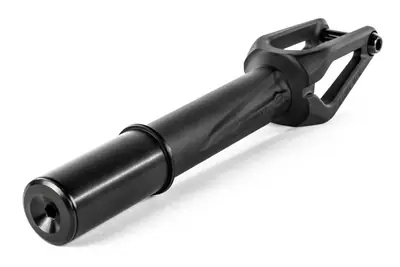
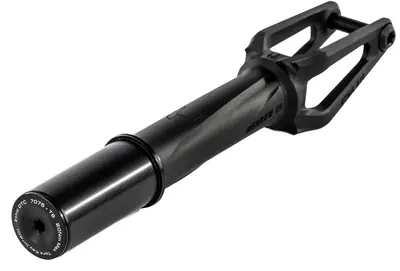
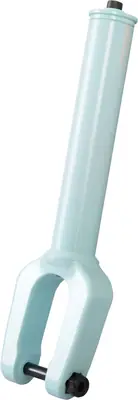
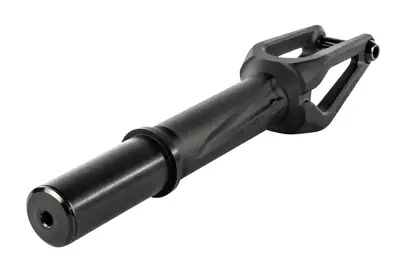
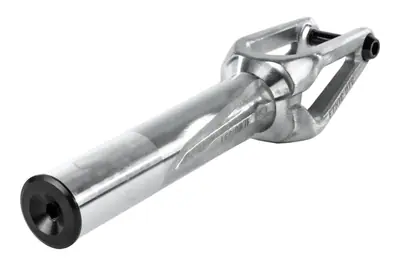
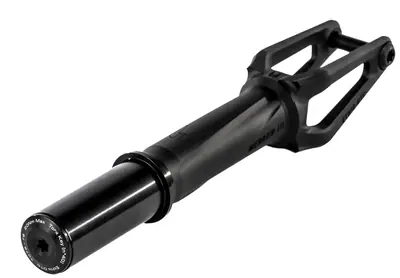
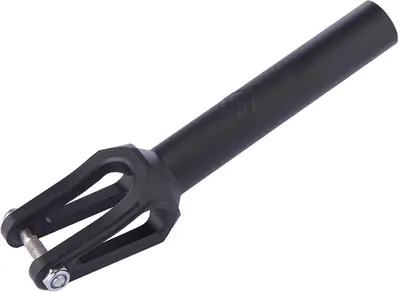
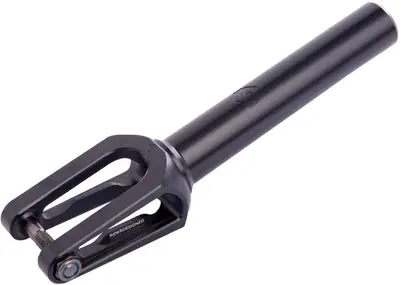
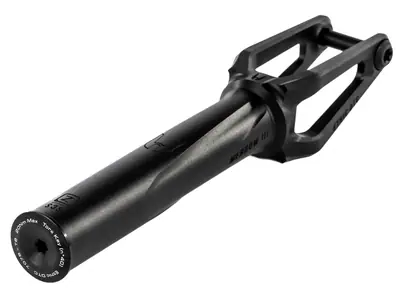
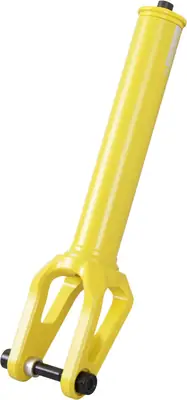
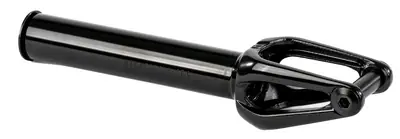
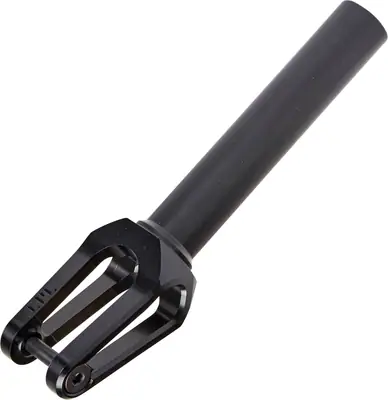
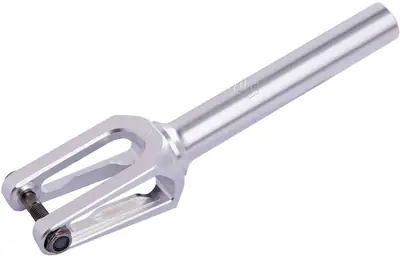
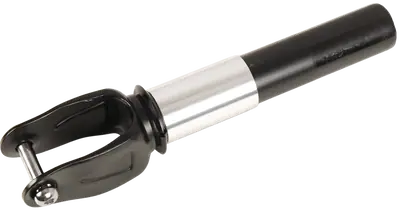
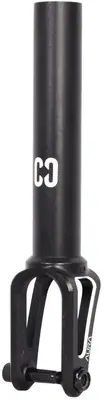
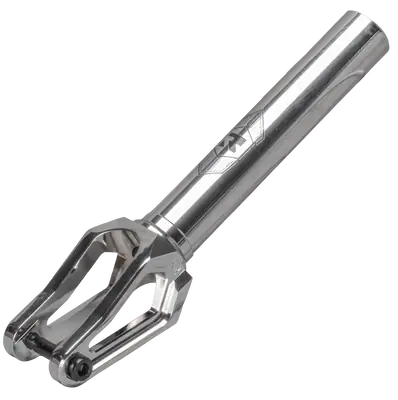
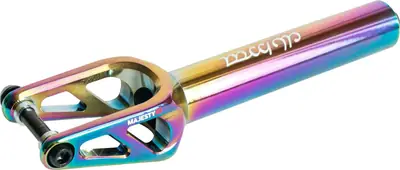
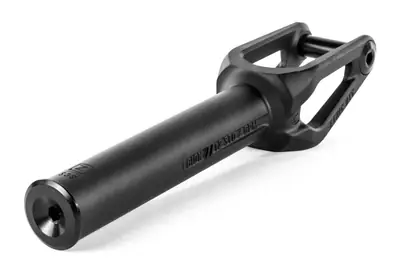
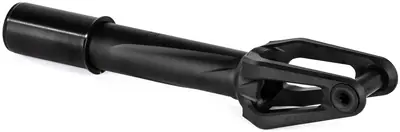
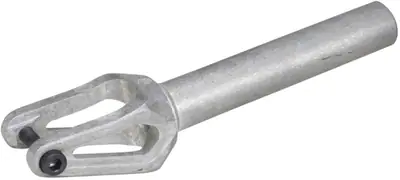
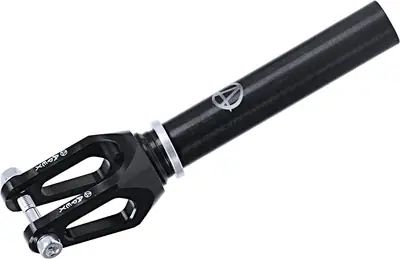
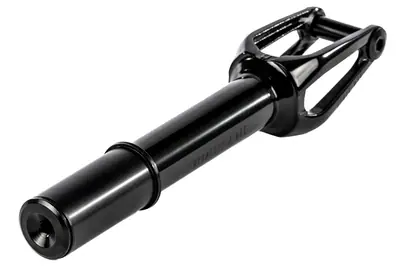
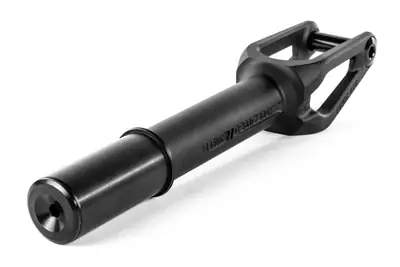
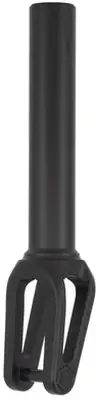
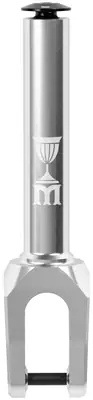
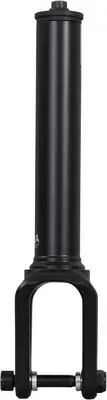
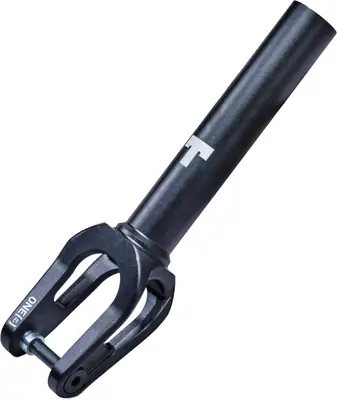
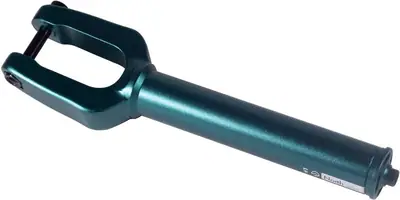

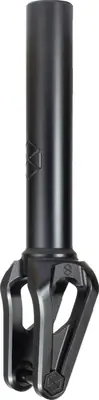
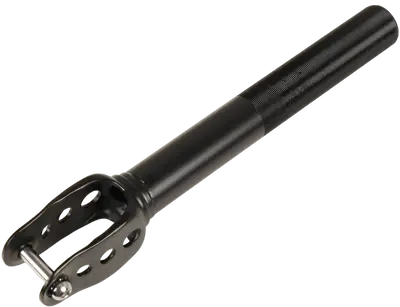
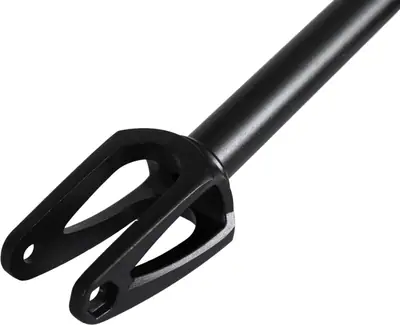
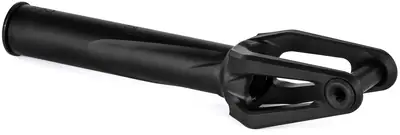
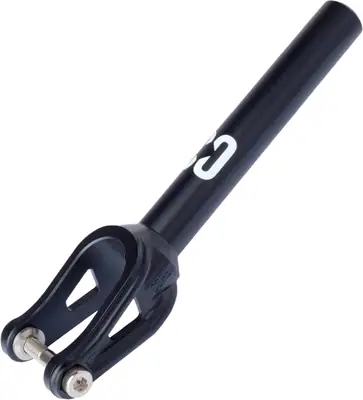
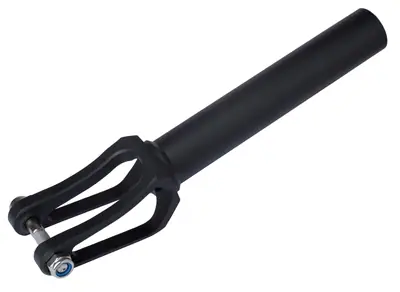
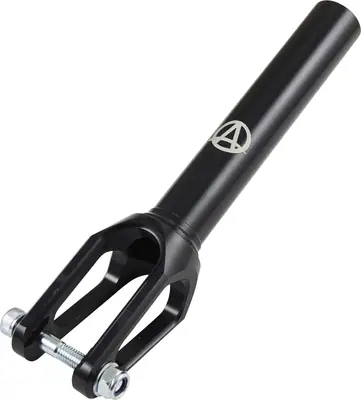
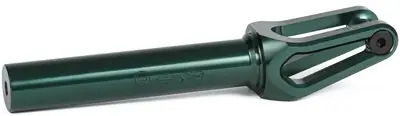
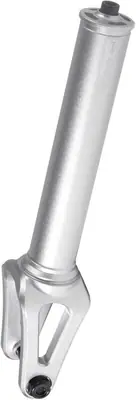
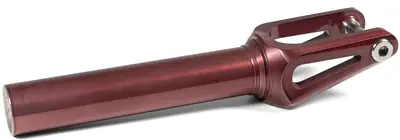
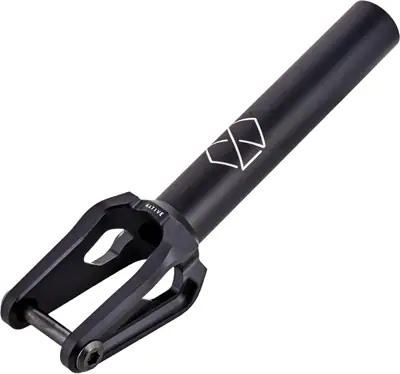
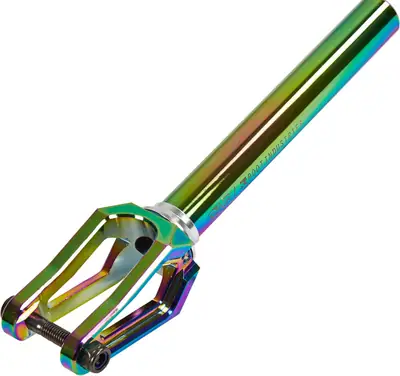
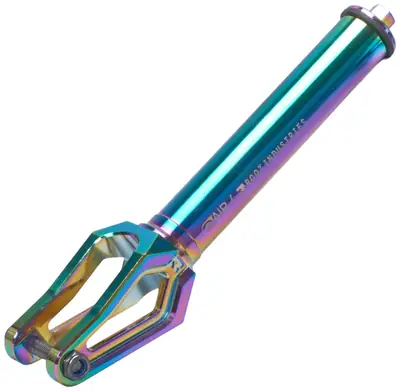
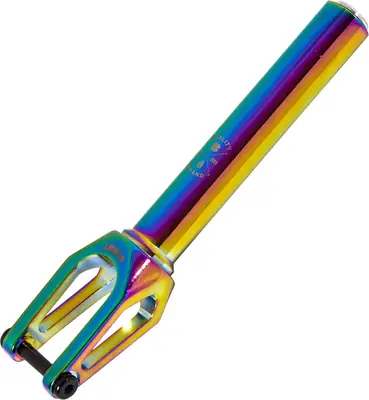
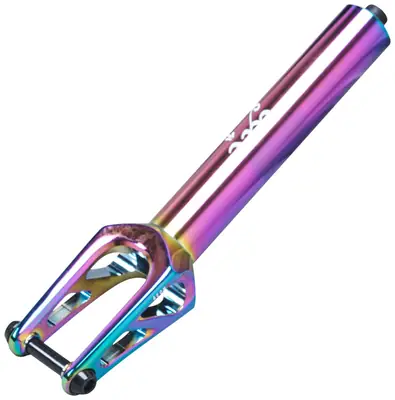
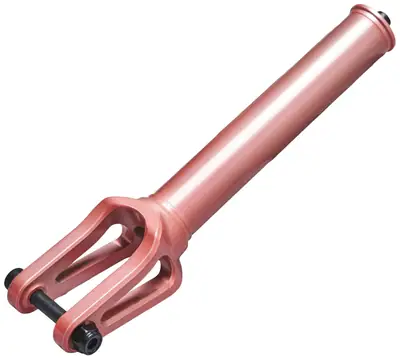
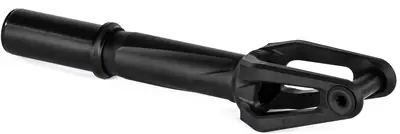
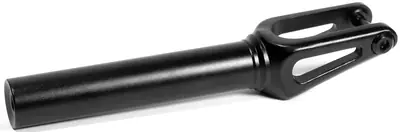
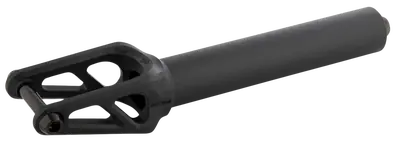
Scooter Forks for Every Setup
We offer durable and lightweight scooter forks for any type of scooter. Whether your pro scooter is optimized to ride park, street, or anything in between, you'll find a fork that fits your setup and matches your preferences.
Below, we'll answer the basic questions you might have when looking to replace your scooter fork. For a deep-dive, check out: Scooter Forks Buying Guide.
Scooter Forks: A Quick Guide
If you're unsure about which scooter fork to choose, follow these simple rules:
- Always choose a fork that can accommodate the diameter and core width of your wheels
- Always choose a fork that is compatible with your compression system
Phew! Continue reading to illuminate the details behind these rules.
Wheel Compatibility – Diameter and Width
Wheel diameter
Always check the maximum wheel diameter your fork supports before buying. Most forks are compatible with 110 mm wheels, while some can accommodate up to 120 mm or 125 mm. Mounting wheels that are too large for your fork isn't an option. You’ll find the maximum supported wheel diameter listed in the fork’s specifications.
Wheel Core width
Standard scooter wheel width is 24 mm, but wider wheels are becoming increasingly popular. Some forks for wide wheels include spacers so you can fit narrower wheels on them as well. However, a wide wheel won’t fit into a fork designed only for narrow wheels.
Forks & Compression
If you get a fork that’s compatible with your current compression system, installation will likely be worry-free.
SCS and HIC forks are generally interchangeable, and for many forks, you will see that they are specified by the manufacturer to work with both systems. Some forks are optimized specifically for SCS or HIC, but this is mainly a matter of how much of the fork extends above the headset. HIC forks can be slightly longer than SCS forks, which means an HIC-optimized fork will often require a spacer to work with an SCS clamp.
IHC fork tubes are slimmer than other types and are only recommended if you’re using an IHC compression setup. If you have a good reason to break this rule, you can check out our selection of IHC-to-HIC conversion shims in the scooter compression parts section.
12-Standard Scooter Forks Are a Different Species
12STD scooter forks are compatible with larger axles and bearings, and they also support larger wheels.
While you can use spacers and fittings to mount regular-sized axles and bearings on a 12STD fork, you'll only experience the full benefits of a 12STD fork if your deck and wheels are also 12STD compatible.
If you're replacing your 12STD fork or converting to a 12STD setup, pay close attention to whether you're selecting an SCS or HIC 12STD fork. Choose the one you have in your current setup if you want to avoid any compatibility issues between your bar, clamp, and compression.
Wheel Offset – Control vs Agility
Offset changes the maneuverability of your scooter. More offset gives better stability and smoother steering. Zero-offset forks place the wheel directly under the bar – it makes for a more agile scooter and makes it easier to initiate nose wheelies, but zero-offset forks are less stable at speed.
- 10 mm offset: Most common and the preferred choice of most scooter riders
- Zero offset: Fast, responsive, ideal for tech tricks