No products match the selected filter...
Hockey Helmets and Head Protection
Discover hockey helmets, visors, mouth guards and neck guards – all designed to protect your head from impact and enhance safety when playing ice hockey.
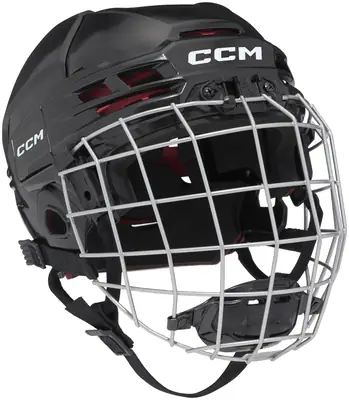
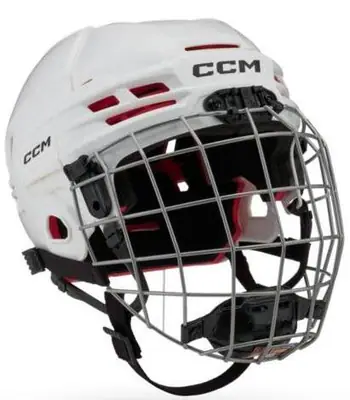
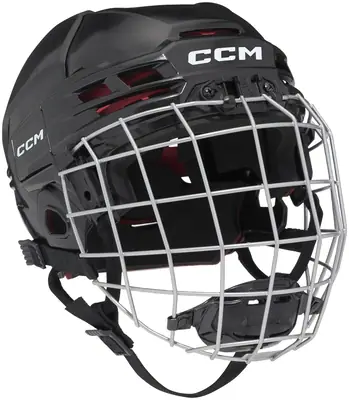
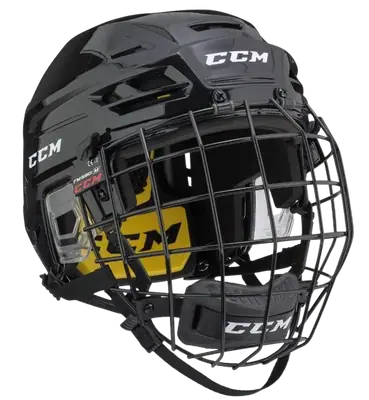
Ice Hockey Helmets
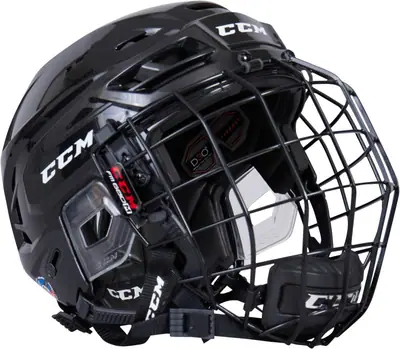
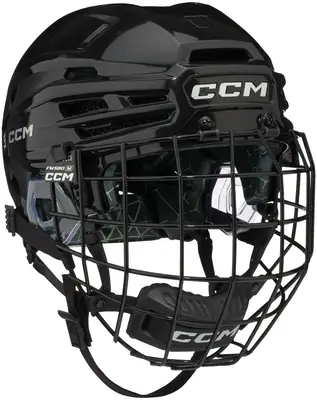
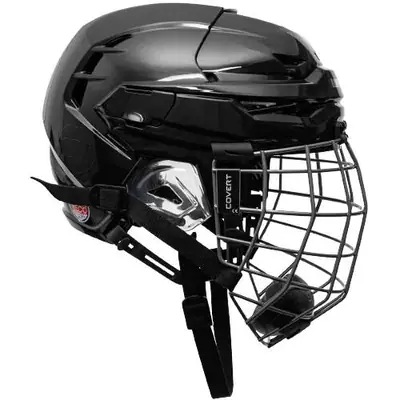
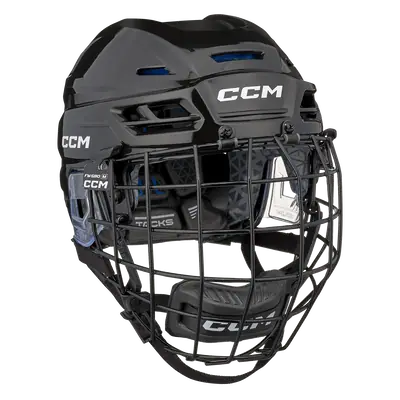
The helmet is the most important piece of protective equipment in ice hockey. Players can injure their heads in many ways during the game. Collisions with other players, falls on the ice, and being struck by a puck are all frequent hazards in the sport. As a high-impact contact game where these incidents occur regularly and pucks can reach speeds of up to 160 km/h, wearing a helmet is an absolute necessity.
How Should an Ice Hockey Helmet Fit
Ice hockey helmets need to strike a balance between a snug fit without having uncomfortable pressure points. A properly fitted helmet will remain stable during play.
- It should sit level on the head, covering the top of the forehead.
- It should not shift position or slide when you move your head.
- The chin strap must be fastened under the chin while still allowing you to open your mouth comfortably.
Ice Hockey Helmet Certifications
Ice hockey helmets must meet very stringent standards. The most common certifications are:
- HECC: An American standard specific to ice hockey helmets. HECC stands for Hockey Equipment Certification Council. It promises adequate protection against head injuries and is mandatory for all players under the jurisdiction of USA Hockey.
- CSA: The Canadian Standards Association (CSA) mandates rigorous testing for shock absorption, field of vision, durability, and construction. A CSA-labeled helmet is approved for hockey play under the jurisdiction of Hockey Canada.
- CE: In the EU, there is no hockey-specific helmet certification. However, ice hockey helmets sold in the EU must comply with the CE marking under the general Personal Protective Equipment (PPE) directive.
Ice hockey players in the EU are advised to look for HECC and CSA certifications when purchasing ice hockey helmets.
Hockey Neck Guards
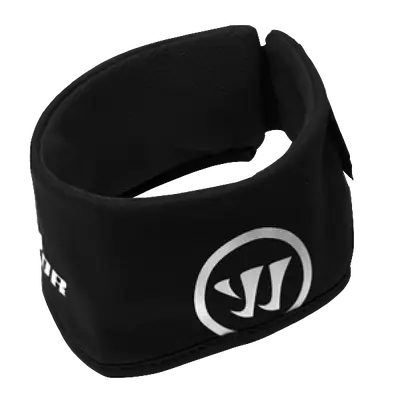
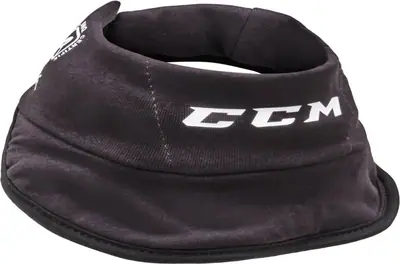
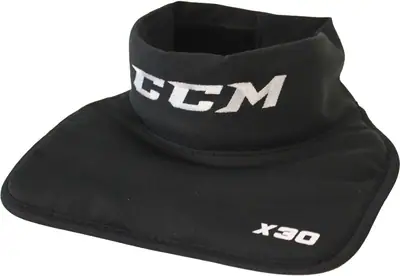
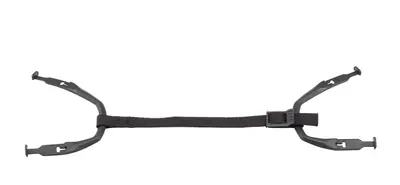
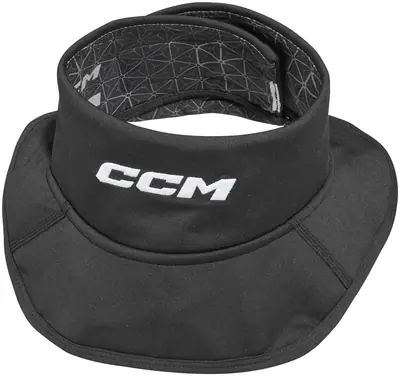
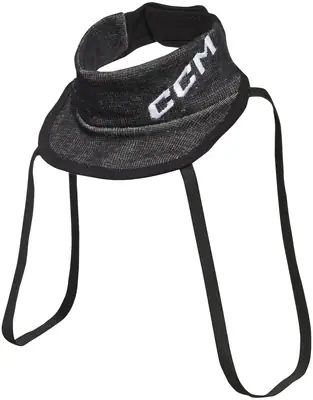
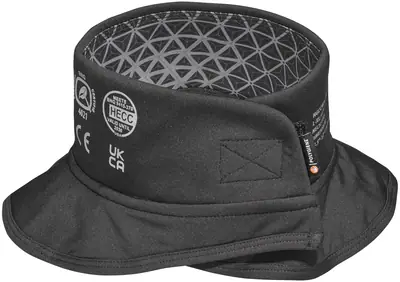
A hockey throat guard protects the throat and upper neck area from ice skate blades, pucks, and sticks. It is typically made from cut-resistant materials with a soft, padded inner lining for comfort.
When choosing a hockey neck guard, ensure it covers the vital areas without restricting movement or breathing. Certified products that meet recognized standards, such as BNQ certification, offer proven protection.
Hockey Visors
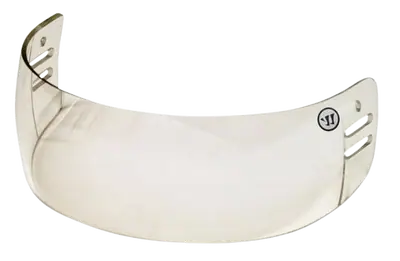
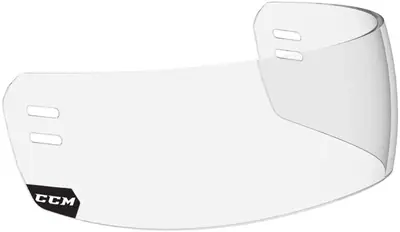
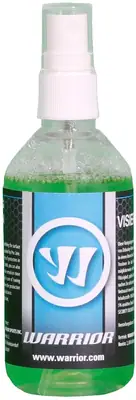
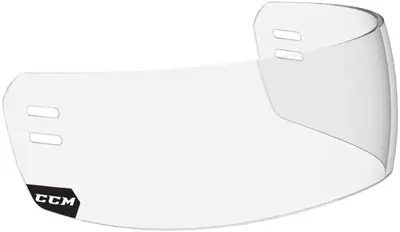
A hockey visor shields the eyes and face from sticks, pucks and debris. It is attached to the helmet and made from clear, impact-resistant polycarbonate. A quality hockey visor should offer distortion-free vision and an anti-fog or anti-scratch coating for clear visibility throughout the game. Players should clean the visor regularly and check for scratches that might affect vision or weaken the material. Properly fitted visors balance safety with unobstructed vision.
Ice Hockey Helmet Visor vs "Full Cage"
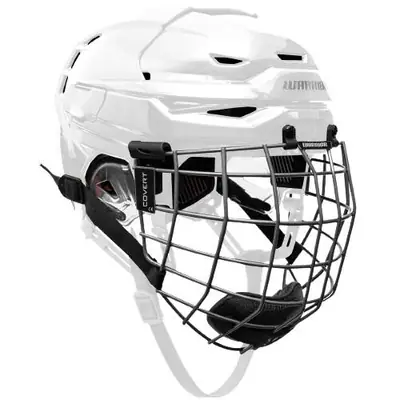
A hockey Full Cage offers comprehensive facial protection, safeguarding your face, teeth, and eyes from pucks and sticks. It's mandatory in certain leagues and provides confidence to engage in physical play without fear of injury. However, it is the heaviest option, can slightly obstruct vision, and may feel restrictive for some players.
A visor provides enhanced visibility and is lighter and less restrictive. It offers some protection compared to no face guard but doesn't match the full-face security of a Full Cage. Visors can fog up, scratch over time, and require careful storage to prevent damage.
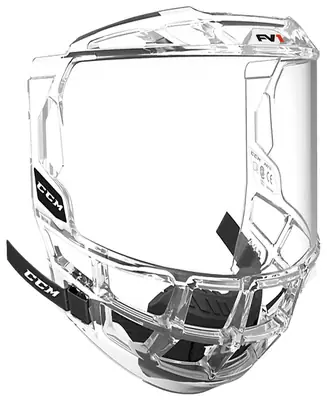
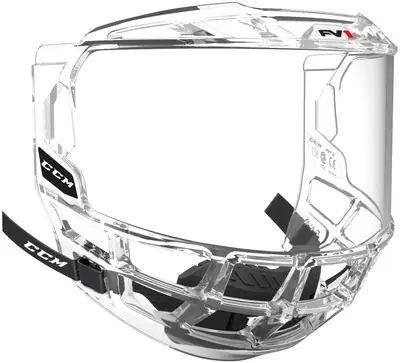
Full-face visors, or "fishbowls," offer the best of both worlds by covering the entire face while maintaining clear visibility.
Hockey Mouth Guards
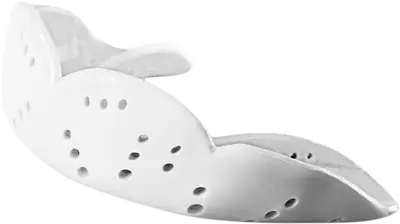
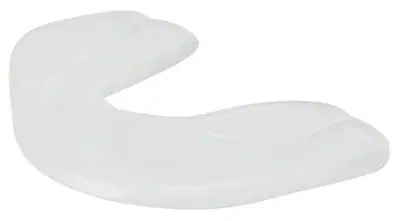
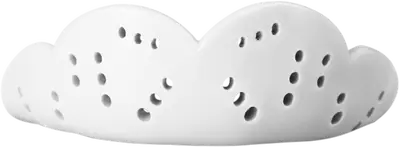
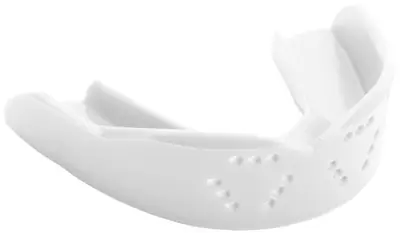
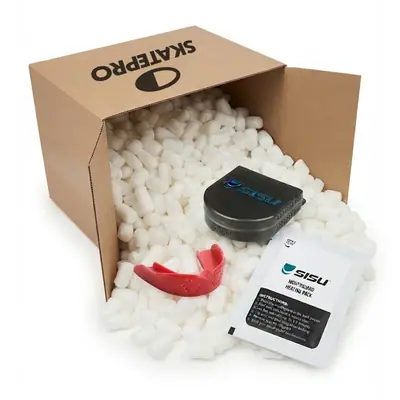
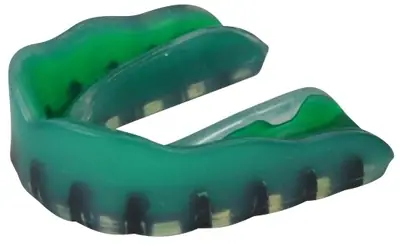
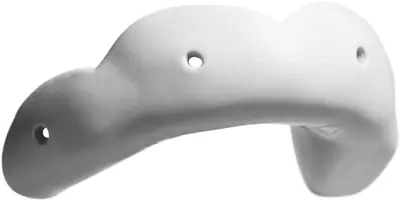
A hockey mouth guard, also called a dental guard, helps prevent dental injuries and reduces the risk of jaw impact. It should fit securely over the teeth without discomfort or interference with breathing and speech. Custom-molded or boil-and-bite designs provide a close fit, while high-quality materials ensure durability and easy cleaning.