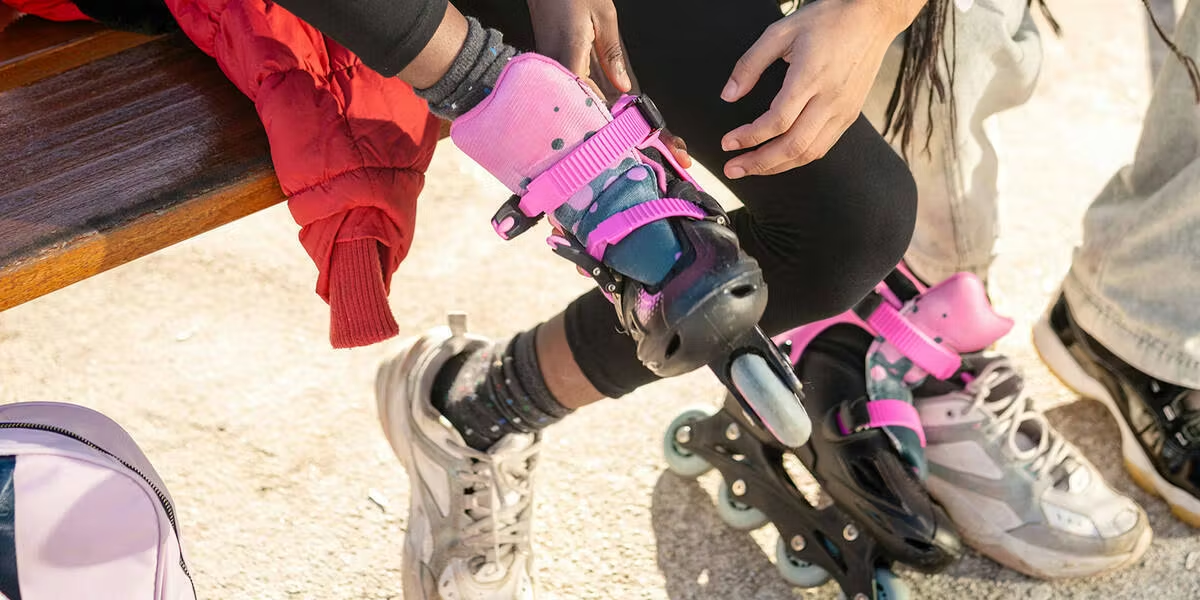
This guide is for anyone who’s just laced up a new pair of inline skates, whether for fitness or recreation. It’s offers valuable advice for beginners dealing with discomfort, blisters, or foot and ankle pain and also for intermediate skaters upgrading to a new boot who want to speed up the break in process and get comfortable faster.
So you bought your first pair of inline skates and you’re ready to embark on your skating journey. You try them on and the panic starts taking over as they feel too tight and pressure all sensitive areas. Don't worry, we're here to help you out! We'll talk about how to break in new inline skates, and how to get through the break in stage with minimal hassle.
Overview

Overview
Why Do New Inline Skates Hurt?
You’re probably very excited about your new inline skates, but they may feel uncomfortable at first and that’s completely normal. Your boots are stiff, your feet are adjusting to the shape of the new boot, and your muscles aren’t yet used to the skating motion. All of these factors can contribute to initial discomfort as your body adapts to your new skates.
- What’s normal: mild pressure on your toes or ankles, or slight soreness that eases after short sessions.
- When something’s off: sharp pain, constant pressure, numbness, or blisters that don’t go away usually means your skates don’t fit right.
Pro Tip: You can't exchange your inline or roller skates to a different size if they show visible signs of usage. We recommend trying the skates indoors or on clean surface. This should give you the opportunity to establish if the size is right.
In the following sections, we will further explain fitting details.
Fit First: Make Sure the Boot Fits Before Break In
Before you start breaking in your new inline skates, it’s important to make sure the fit is just right. Boots that are too tight can pinch, cause blisters, or even affect circulation, while boots that are too loose let your foot slide around, leading to soreness and instability. Finding the right fit from the start will make your skating experience more comfortable and enjoyable.
Tips for checking fit:
- Heel and ankle: Your heel should sit snugly without lifting when you walk or skate.
- Toes: There should be a little wiggle room. Your toes shouldn’t be cramped against the front.
- Width: The boot should feel snug across the midfoot but not painfully tight.
- Laces and closures: Make sure you can adjust tension evenly. Uneven pressure can create "hotspots" and discomfort.
Getting the fit right from the start makes the break in process easier and keeps your skating sessions pain free. Kind reminder: no amount of breaking in can fix a boot that doesn’t fit properly.
How to Break In New Inline Skates
Now that you have established that the fit is right, it’s time to break in the skates! The first few sessions are all about getting your boots and feet to adjust comfortably, and here are a couple elements you should consider:
- Socks: Use moisture wicking socks; avoid cotton to prevent blisters.
- Lace properly: Loosen at first, snug the ankle strap without over tightening.
- Start with short sessions: Skate 20 to 30 minutes on smooth surfaces. Gradually increase distance.
- Mind your posture: Keep your knees slightly bent to avoid gripping your toes.
- Optional customization: Some liners are heat-moldable for a customized fit.
- Expect minor discomfort: Hotspots or small blisters are normal. Persistent pain = check fit.
Pro Tip: Most users feel initial comfort after roughly 5 to 10 miles of inline skating. Be patient with your skates and feet will adjust with consistent use.
Preventing and Dealing With Blisters & Foot Pain
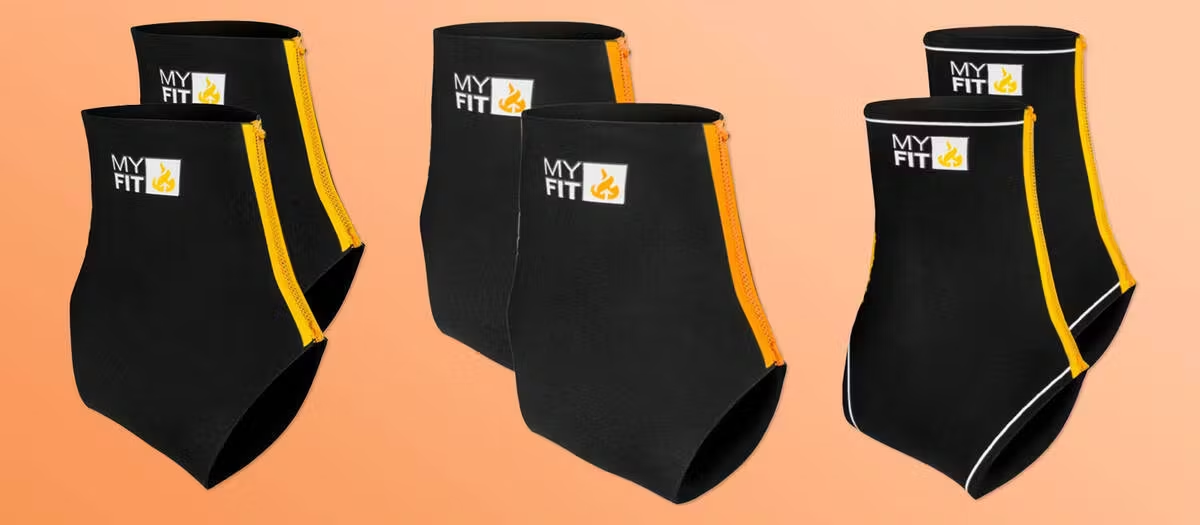
Blisters like to show up on your ankles, heels, tops, or sides of your feet, usually because your boots are rubbing the wrong way, your socks aren’t quite right, or the fit is off. The good news? With a little care and a few tricks, you can keep your feet comfy and enjoy longer, pain-free skating sessions.
A great first step is using ankle sleeves or neoprene footies. These helper-items cushion sensitive spots and reduce friction. Your laces and straps matter too, to keep them snug enough to hold your foot in place, but not so tight that they pinch. If your feet slide around, think about adding or swapping insoles to get a better fit and more stability.
While you’re out skating, take quick breaks to check your feet. It only takes a minute, but it can stop a small hotspot from turning into a full blister. Carrying blister pads or tape is useful to patch up trouble spots before they slow you down.
If a blister appears, don’t ignore it. Give your feet a break until it heals, treat it properly, and double check your boot fit and socks so it doesn’t return.
With the right fit, some protection, and a bit of care, you can prevent painful blisters and enjoy smoother skating.
How Long Does It Take to Break In My New Inline Skates?
Most skaters notice their boots start to feel better after 2 to 3 sessions (around 5 to 10 miles). That said, your experience can vary based on boot type, brand, liner, foot shape, and usage.
If discomfort persists beyond a few weeks, something’s off. The boot might be the wrong width or length, or just not a great match for your foot.
Tips to ease the break in:
- Start with short sessions.
- Walk around indoors to soften the liner.
- Gradually increase distance and intensity.
With time and careful progression, your skates will begin to feel more comfortable, allowing you to enjoy longer rides without pain.
Break In Hacks
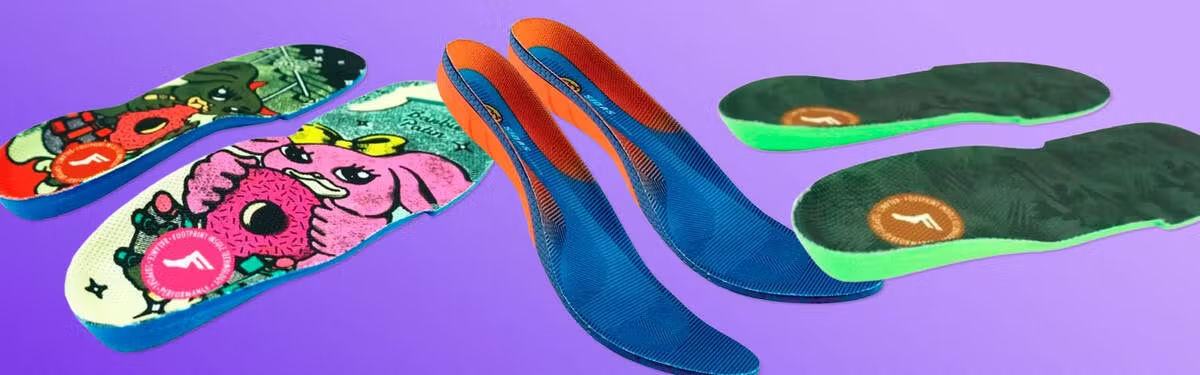
Try these simple break in hacks to make your new skates feel comfy faster:
- Thicker or technical socks: Reduce friction and help boots fit better.
- Heat moldable liners or boots: Customize the fit if your skates come with heat moldable liners.
- Quality insoles: Boost support and comfort.
- Wear skates at home: Soften liners before longer sessions.
Frequent Questions
Why do my feet hurt when I skate?
Foot pain often results from an improper fit, poor lacing, or technique issues. If you experience ongoing discomfort, start by checking the fit. After ruling out size concerns, look at your lacing technique. If your heel lifts while skating, you’re more likely to develop blisters around the ankle, which may be improved by adjusting and tightening the laces. Your technique can also affect your comfort. Check out our guide:
Are new skates supposed to be tight or painful at first?
A snug fit is normal during break-in, but sharp pain or numbness is not. You should be able to wiggle your toes, but your foot should not be moving loosely inside the skates.
How many sessions or miles does it take to break in new inline skates?
Most skaters notice improvement after 2 to 3 sessions, or about 5 to 10 miles. This one is very much up to the circumstances, so there's no single answer.
How can I prevent blisters from skating?
Use proper socks, ankle sleeves, or footies, ensure your boots fit well, and take breaks to check your feet. If you get blisters and let them heal but jump back into your skates without taking preventive measures, you’re likely to develop new blisters. Follow this advice:
- Rule out any sizing issues – if your skates are too small, they won’t be comfortable and won’t magically stretch with a few more sessions.
- Check your lacing and make sure your skates are tightened properly to prevent heel lifts.
- Consider ankle sleeves.
What should I do if the fit feels wrong even after break in?
Reassess boot size, width, and socks. Persistent discomfort usually means the fit isn’t right.
Do insoles help with comfort or fit for skating?
Yes, good insoles improve arch support, lockdown, and overall comfort.
Learn more about insoles for inline skates in the video below, where Jeppe discusses insoles, shock absorption, and more.
Are there any quick break in tricks?
Short sessions, walking around indoors, and wearing skates at home can help.
Is it okay if my toes touch the front of the boot?
Light contact is fine, but pressure or cramping is not.
Can I skate for several hours straight in new boots?
Not recommended. Gradually increase your skating time during the break in period.