Skates
 Boards
 Winter Sports
 Scooters
 BMX
BMX Apparel
 Surf
Surf On Sale


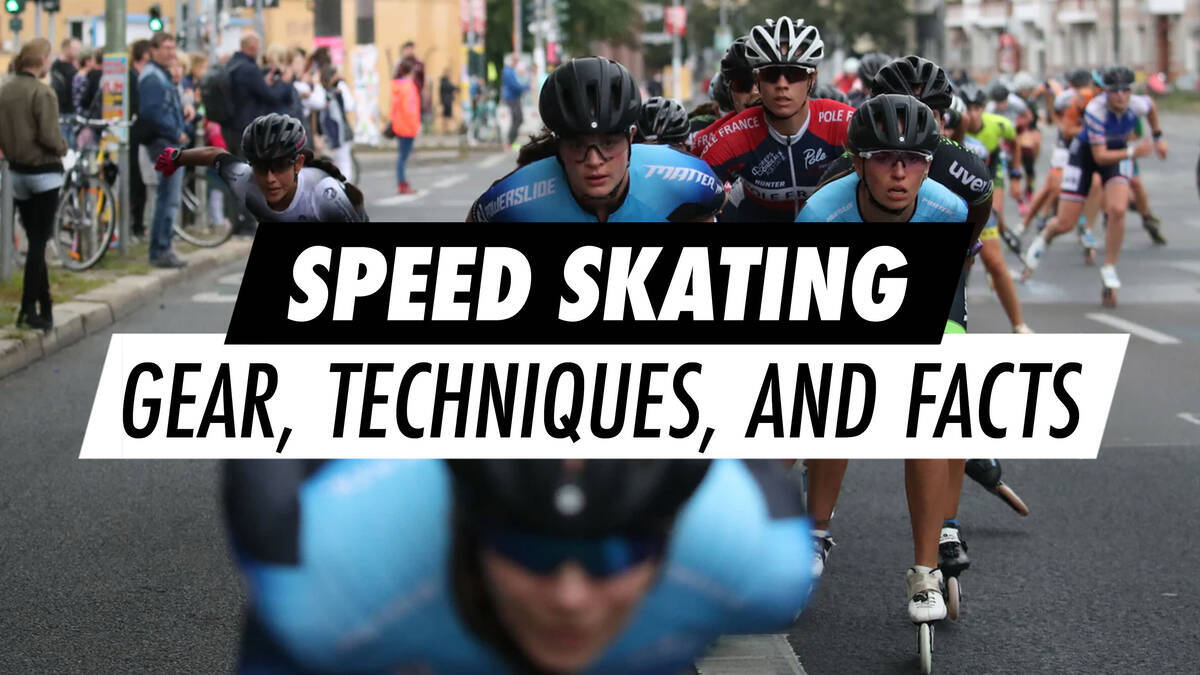
Speed skating offers an intense, performance oriented approach to inline skating with its focus on speed and endurance. Do you consider getting into inline speed skating yourself or are you just curious about the sport? Here, you can read about what sets speed skating apart from other types of roller sports.
Inline speed skating is all about:
- Technique: Mastery of advanced techniques such as the double-push.
- Equipment: Low, stiff boot, a light frame, and large wheels up to 125 mm.
- Speed: Elite skaters reach 37 mph (60 km/h) on flat terrain.
- Community: Through speed skating clubs and events, there's a strong social aspect to the sport.
Overview

How to get Started With Speed Skating
Joining a speed skating club is a very good option, if you consider getting into the sport. You will get personalized advice that is tailored to your specific level, and at the same time you will be sharing the experience with others who share the same passion.
“One of the things I love about speed skating is the social aspect. You often work towards common goals, but at the same time, it’s a sport, where you can practice and compete, individually.” - Trine Brøns Nielsen, former SkatePro Team Rider and Danish champion.
If you do not live near a speed skating club or know someone who can guide you personally, you can learn from online resources. There are many tutorials available that explain basic speed skating techniques. Below, we cover basic speed skating techniques to help you get started (and perhaps, eventually you will establish a local club of your own).
Equipment Needed to Get Started With Speed Skating
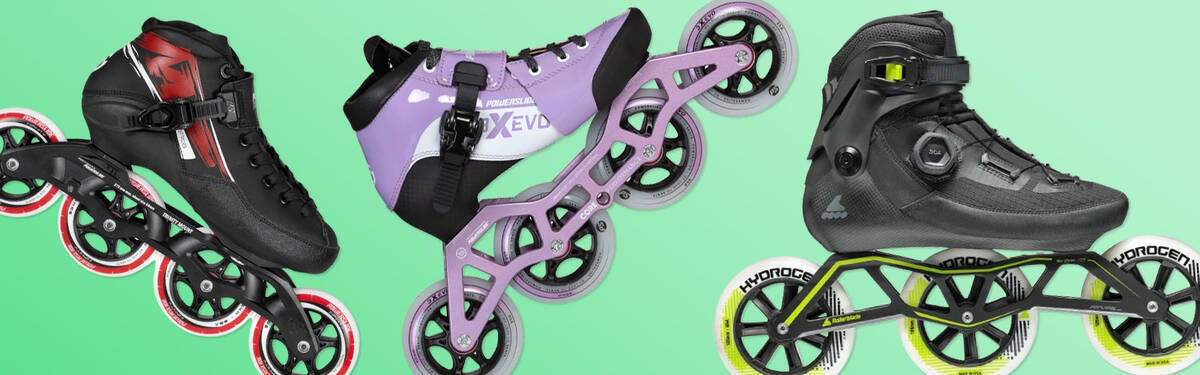
To get started with inline speed skating, you only need a pair of speed skates, some protective gear, and a suitable place to practice.
What Are Inline Speed Skates?
The boot, frame, and wheels distinguish speed skates from standard fitness skates. In speed skating, every hundredth of a second counts, and the technical features of the skates directly reflect this focus on performance.
- Boot Design: Low boots made of stiff carbon fiber with minimal padding maximize energy transfer.
- Wheels: Larger wheels (up to 125 mm) maintain momentum, while harder rubber reduces friction to increase speed.
- Frames: Rigid, lightweight aluminum or carbon frames ensure power transfer isn't absorbed by flexibility.
Finding the right speed skates is a matter of matching your skill level and ambition. If you are completely new to the sport, we advise starting with a higher-cut boot for increased ankle support before transitioning to a dedicated speed skating boot.
Whether you are skating long distances on rough roads or sprinting on a track will also affect your choices. Softer wheels provide grip on rough surfaces, while harder wheels offer lower friction on smooth pavement.
Basic Speed Skating Techniques
The efficiency of a speed skater is determined by their specific speed skating technique. Mastery of the following elements is essential for performance:
- Speed skating body position: To minimize aerodynamic drag, maintain a low center of gravity with a horizontal torso.
- Speed skating push off: Intense lateral force is applied to the edges of the skates against the ground to maximize forward propulsion with each stride.
- Speed skating arm swing: The arms maintain cadence and assist with stabilization during high-velocity maneuvers.
- Double push technique: This advanced method involves an internal "under-push" phase before the standard lateral extension, effectively increasing the power generated per stride.
Check out this slow motion video for a strong visualization of the mechanics of the double push technique, as well as body position and arm swing - as performed by professional speed skaters Mark Horsten and Lars Scheenstra.
Protective Gear for Speed Skating
Given the high velocities of speed skating, the importance of wearing protective gear cannot be overstated, even if it impacts your aerodynamics.
Speed skates have significantly different rolling properties than most other inline skates that have smaller wheels and supportive cuffs. As a beginner, you are more likely to experience falls while adjusting to these differences; as an experienced skater, you reach velocities where any fall can have serious consequences.
As you become a more devoted speed skater, you will naturally seek out specialized protective gear designed to have a minimal negative effect on aerodynamic performance. However, the primary goal is to stay protected, so do not hesitate to wear a less aerodynamic set of protective gear at first.
Wearing Helmets in Inline Speed Skating
In professional speed skating, helmets are mandatory. Whether you are an ambitious racer or a recreational enthusiast, head protection is essential. There is no reason to risk concussions or other head trauma (injuries offer no performance benefits and can have long-term consequences, trust us).
If you want a dedicated speed skating helmet, go for one with an aerodynamic and well-ventilated design. For increased protection against rotational impact, consider a helmet equipped with MIPS (Multi-directional Impact Protection System). All models in our selection of skating helmets are safety-certified.
Elbow and Knee Protection in Speed Skating
In addition to aerodynamics, freedom of movement is a primary concern for knee and elbow protection. To maintain a competitive edge on speed skates, prioritize low-profile protectors over large, hard-shell designs. Many skaters go for "sleeve-style" protectors that feature thin, impact-absorbing foam; these offer discreet protection with minimal restriction on both aerodynamics and range of motion.
Wrist Protection in Speed Skating
Protect your palms and wrists with specialized wrist protection to mitigate the risk of fractures or tendon damage, which can require months of recovery. We recommend models with a snug fit and durable materials to ensure your focus remains on performance rather than injury avoidance. For dedicated speed skaters, options include "second-skin" speed skating gloves, that combine protection with full dexterity and unrestricted range of motion.